Financial transactions in banking applications often seem routine to the user. Motivation to manage personal finances remains low.
Users are rarely involved in financial planning and cost control, put off savings for later, and do not use useful app features. It's Reduces their loyalty and frequency of interaction with the bank.
Solution
Implementation play-mechanic banking applications such as achievement awards, challenges and quests for various bank products.
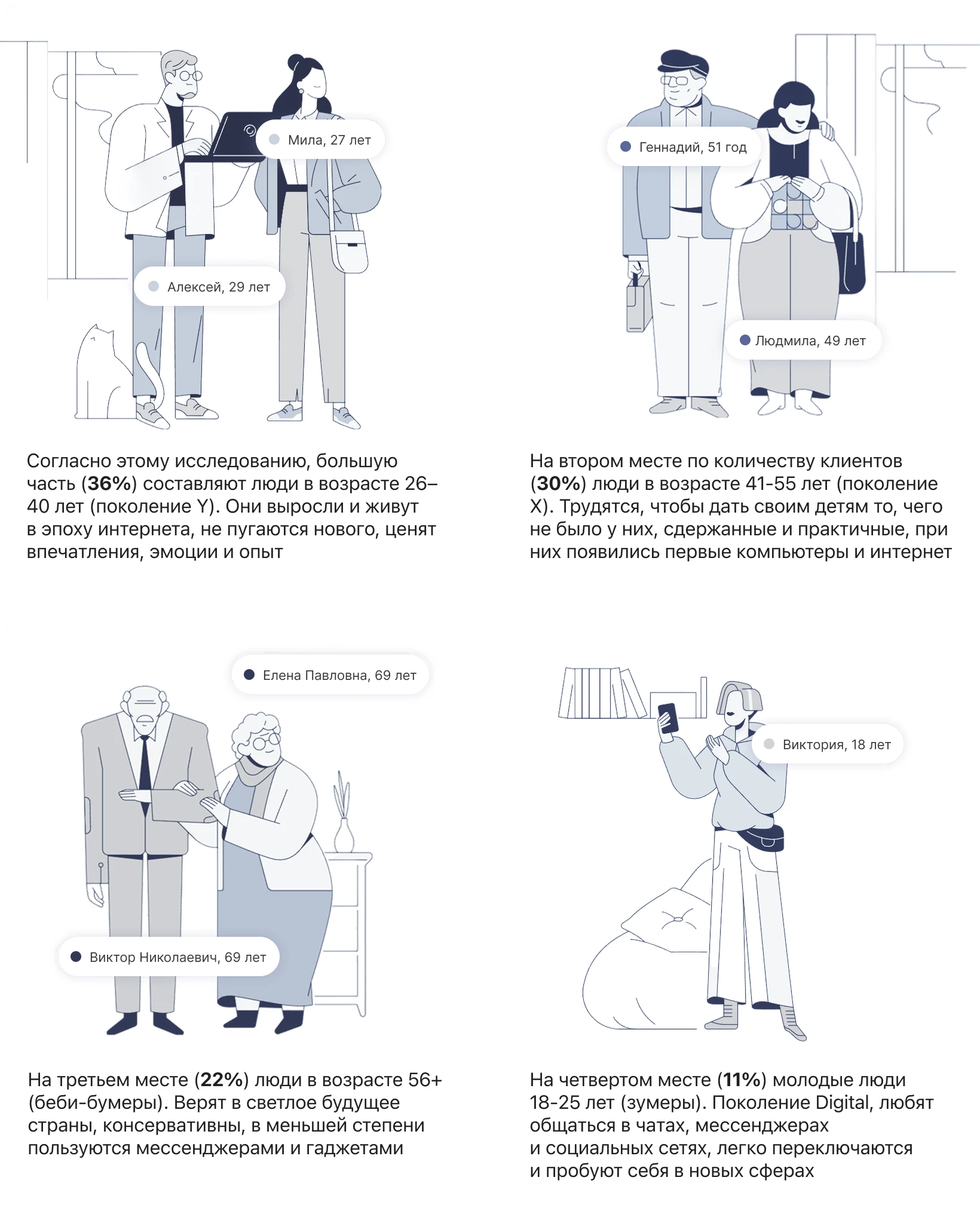
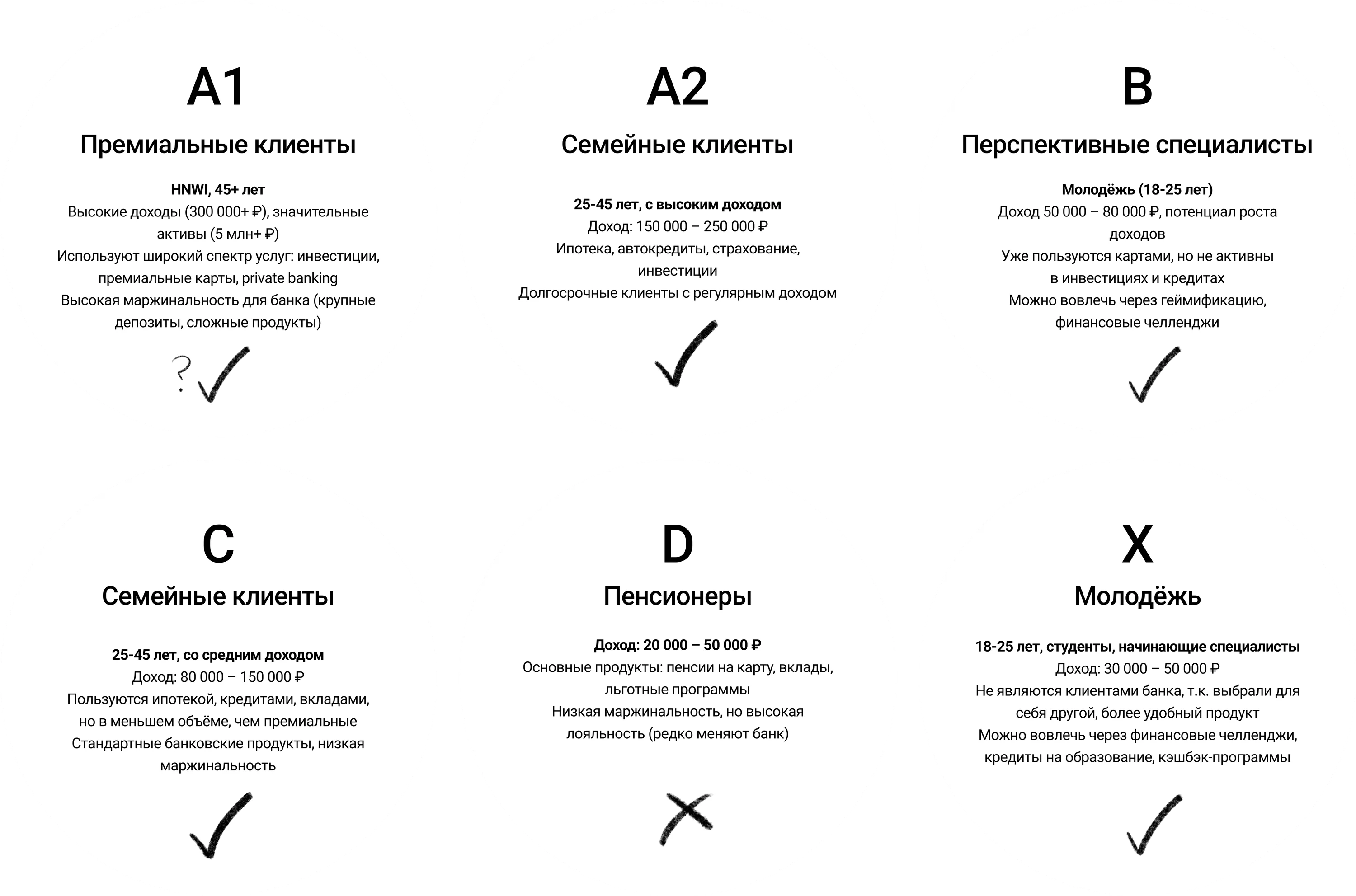
In addition to age characteristics, to determine CA, it is necessary to take into account the level of income, lifestyle and values, type of employment and other factors. Therefore, for convenience, I conducted an ABCDX segmentation and identified those groups for which gamification can be calculated.✓).
High-income users (A1 segment) are more likely to be interested in investments, insurance products and tax optimization, so you can try to attract them with personalized challenges (for example, increasing profitability). investment) and status awards.
People 25-45 years old, with medium and high income (segments A2 and C) are active users of banking services, interested in financial management, but with limited time. They may be attracted by missions to achieve financial goals (housing purchases, education savings), visualization of progress, and social mechanics.
Young people (18-25 years old) with low or middle income (segments B and X) are often just starting out and may have difficulty saving and financial planning. They may be interested in challenges for putting aside small amounts, rewards for regular payments and the use of useful features of the application.
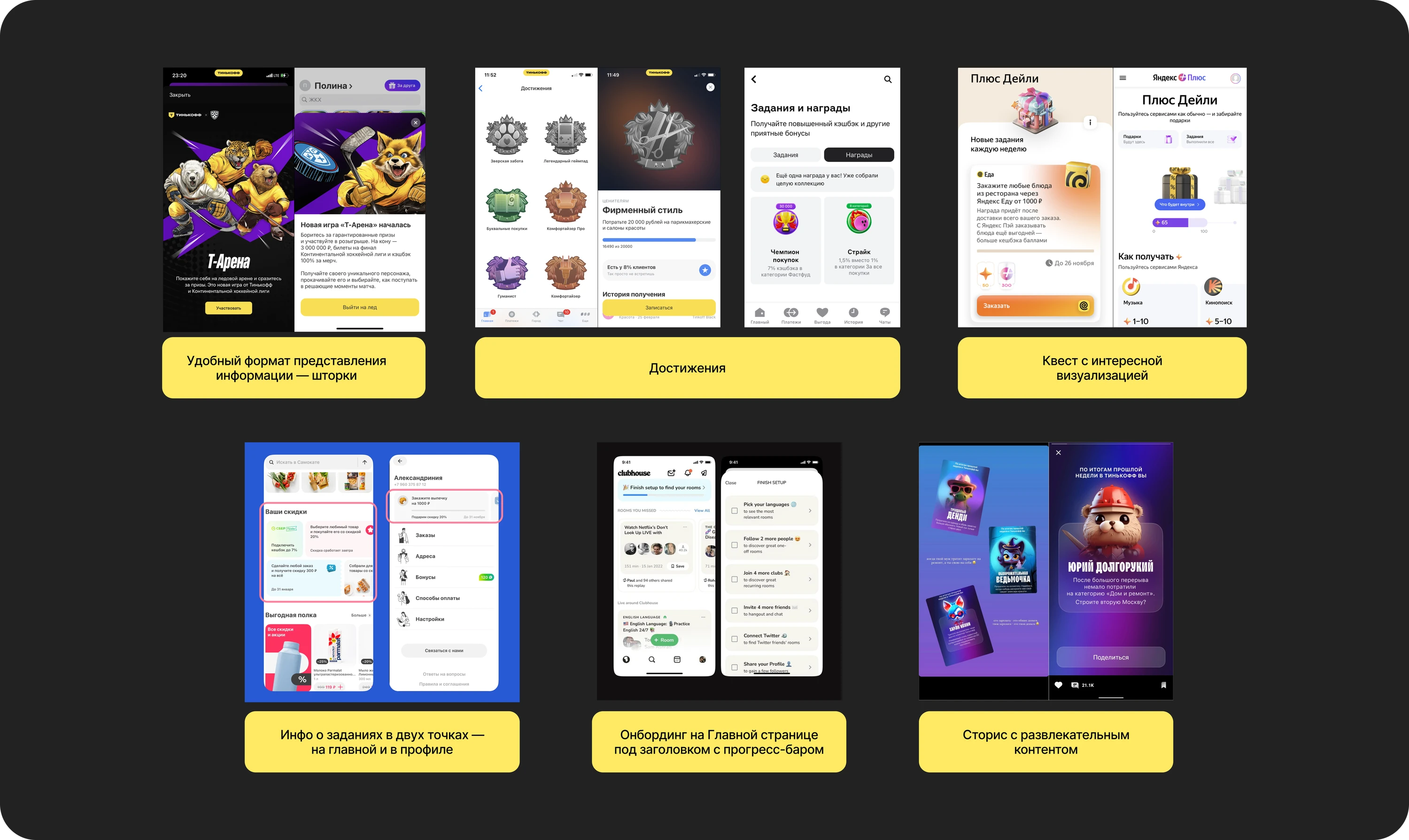
The entry point to the mechanics should be visible
I also learned a lot of useful things on the site. Gamification nowIt contains real cases with game mechanics in online and mobile projects.
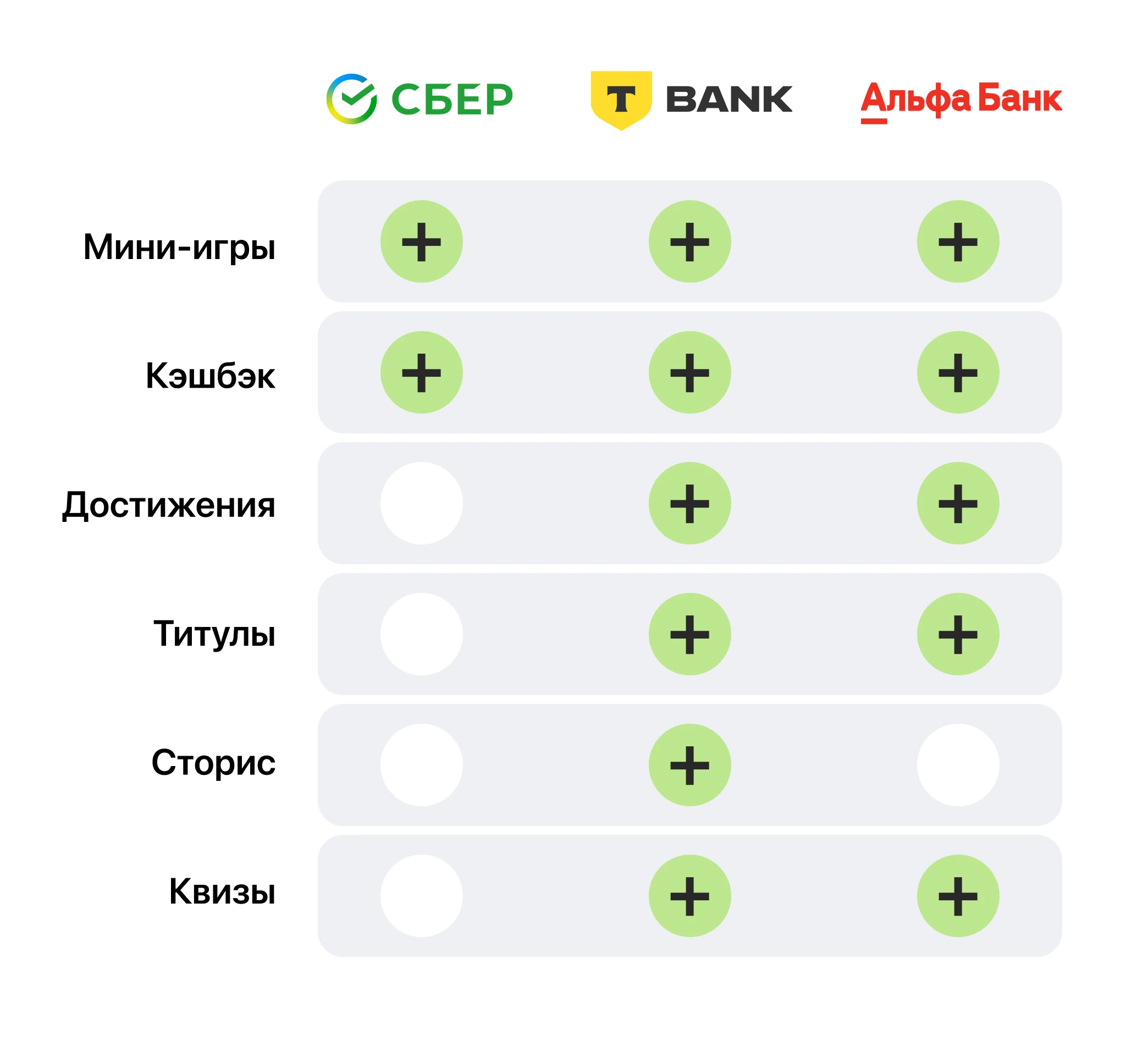
Part of the refs with favorite mechanicsBenchmarking
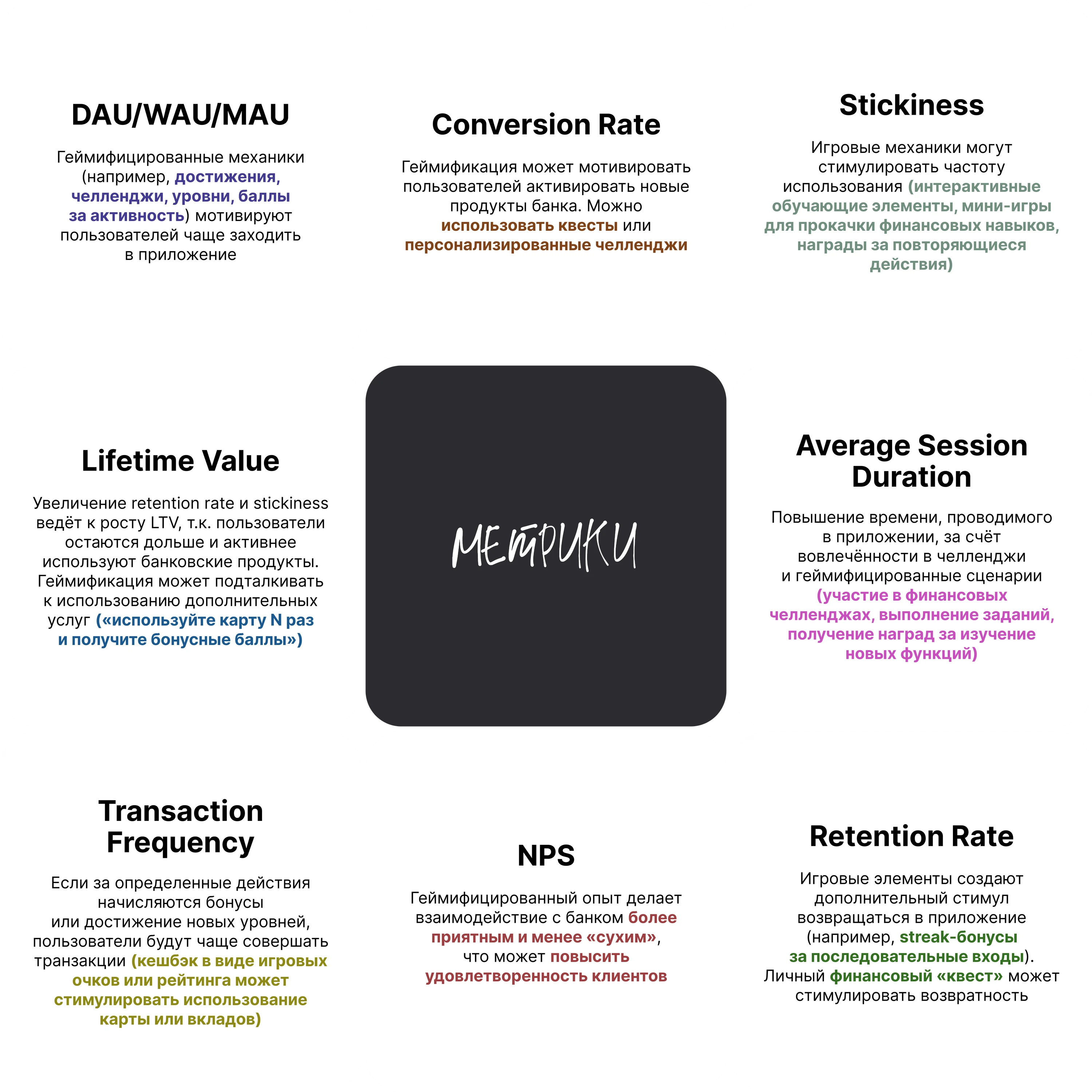
Metrics
The introduction of gamification in the bank’s application will affect several key metrics:
Credit card quest
Credit cards are a complex product for most customers. Many do not understand how to use them correctly, they are afraid of hidden commissions, fines and debt burden. Quest involves users in active use of credit cards so that they:
They were not afraid to use a credit card.
Transactions increased the bank’s revenue
How does it work?
The client receives tasks related to the use of the card
For the performance of tasks, bonuses are awarded (discounts, cashback), which motivates you to continue using the card.
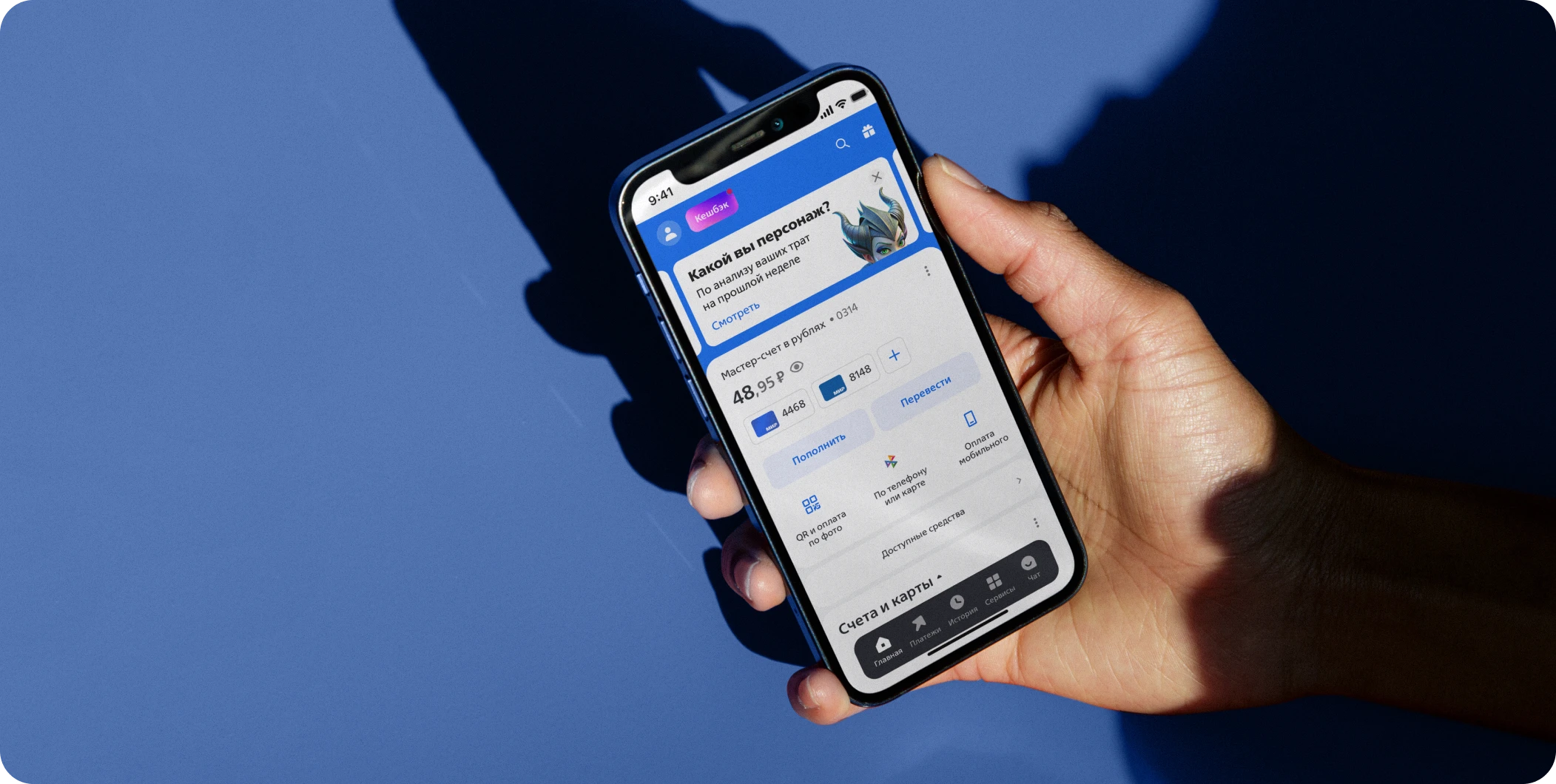
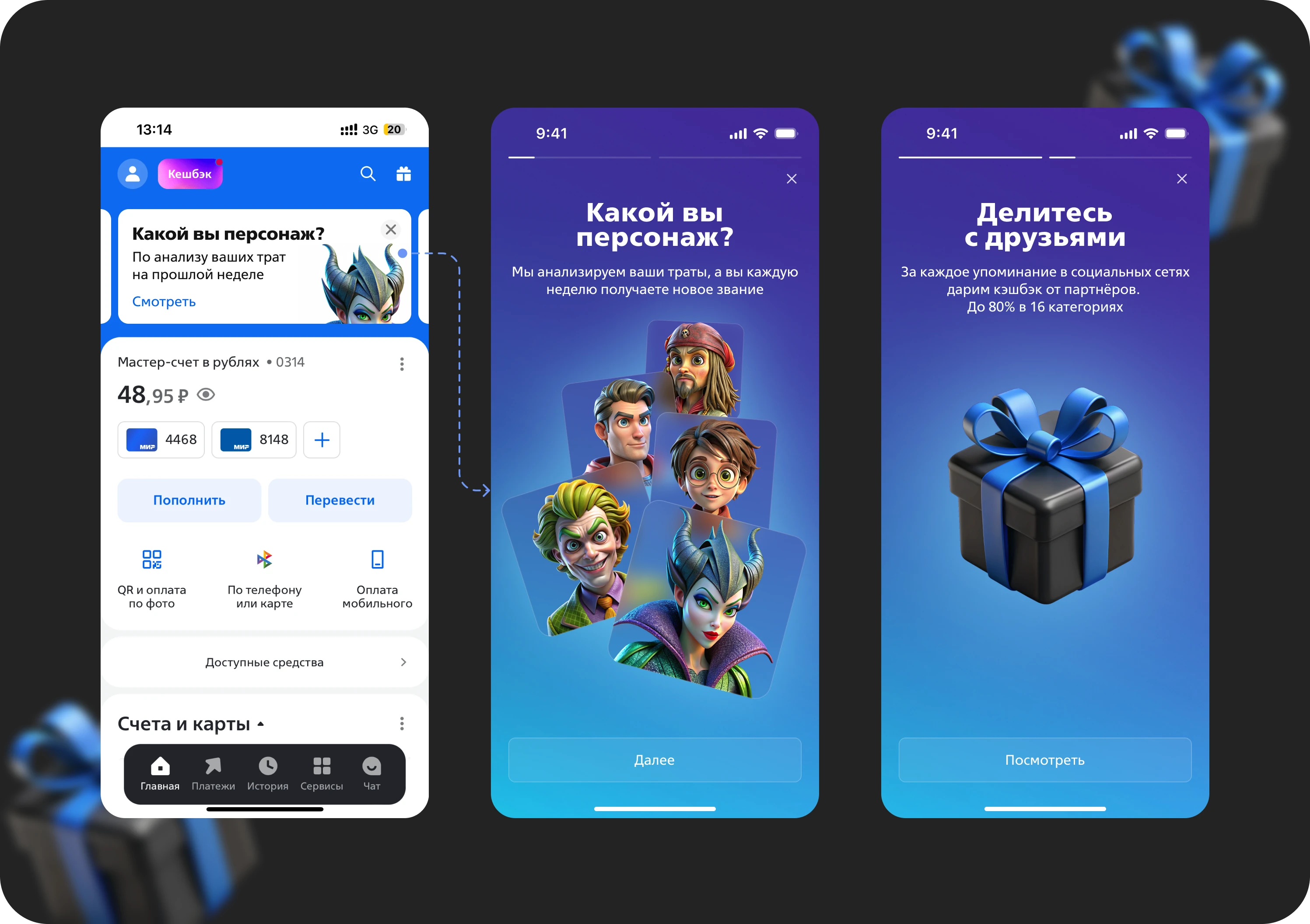
Financial characters
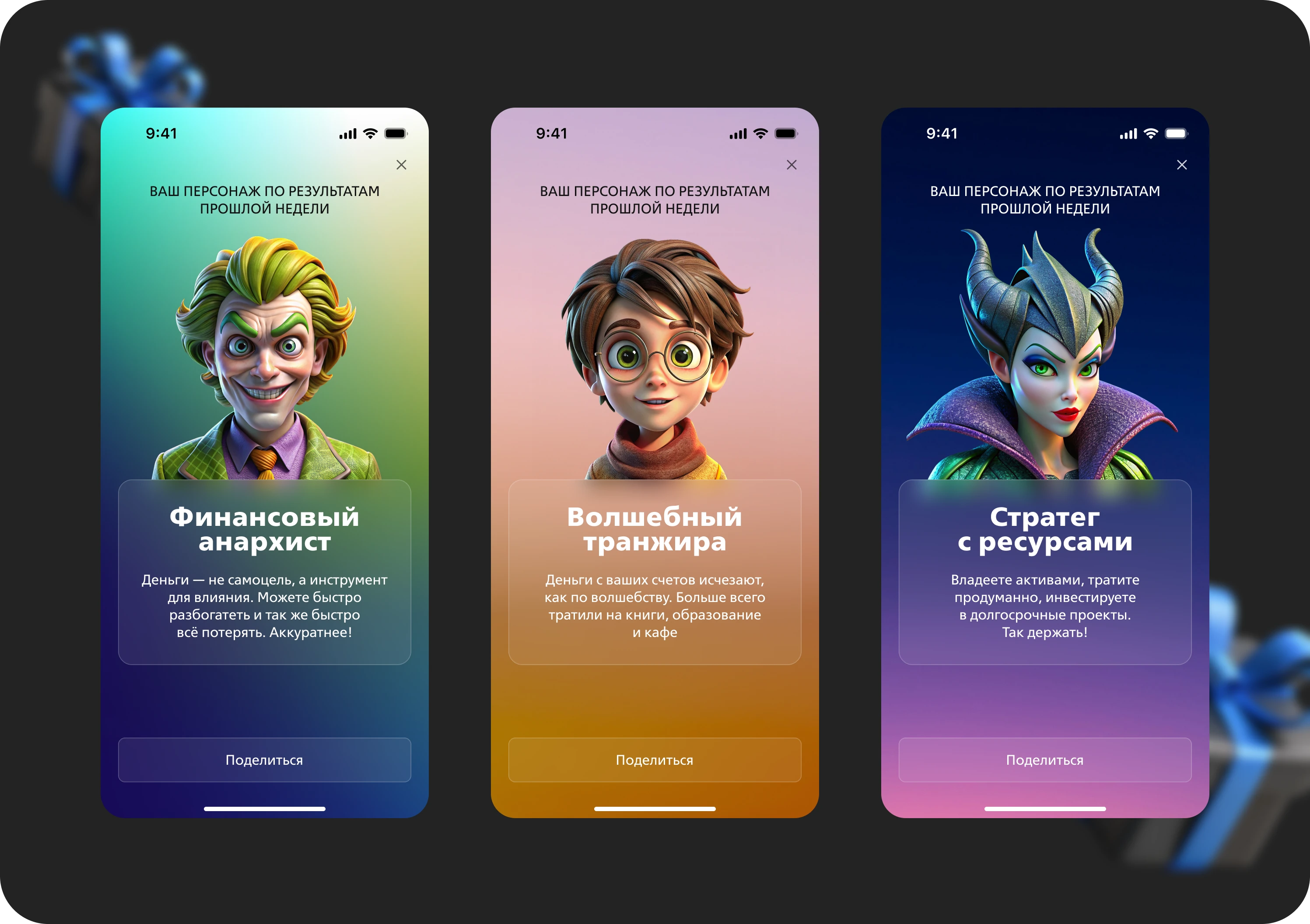
Characters help users track their weekly spending and their purchase behavior. They reflect user actions and create an emotional connection..
The main purpose of the mechanics is to motivate users to go to the bank app every week to see what character they got. To get a new character, the user must change the composition of spending this week, which motivates the most interested to pay with a VTB card something new and temporarily switch to permanent use of the bank.
Also, for each public posting with a character, the bank accrues bonuses (cashback, points in the loyalty program).
Why is that necessary?
For the user – a nice way to brag about the achievement and get additional bonuses. For the bank – a natural viral advertising: people share their results, attracting new customers and increasing involvement in gamification.
3D illustrations for the case generated in Recraft
Outcome
As part of the work on the case, I learned what game mechanics are and how they affect the game. Customer engagement and financial behavior. It was important to make sure that the type of gamification selected smoothly The process of dealing with the bank and making it clearer.
What's the benefit to the bank?
🔹 A credit-card quest will increase transaction frequency Thanks to it, users will make purchases more often.
Users interact with the app longer and learn more products – this will affect the user experience. engagement
Through mechanics referral marketing And social sharing of characters will happen. attracting new clients
Unless expressly stated otherwise, the texts, structure and design of the site, graphics, illustrations, images and other materials created by me are subject to copyright.
Copying, reproduction, modification, publication, distribution, placement on other resources and other use of these materials for commercial or non-commercial purposes without prior written permission is not allowed.
Trademarks, logos, company names and materials of third parties belong to the respective copyright holders and are presented on the site exclusively as part of a portfolio.